

Overview
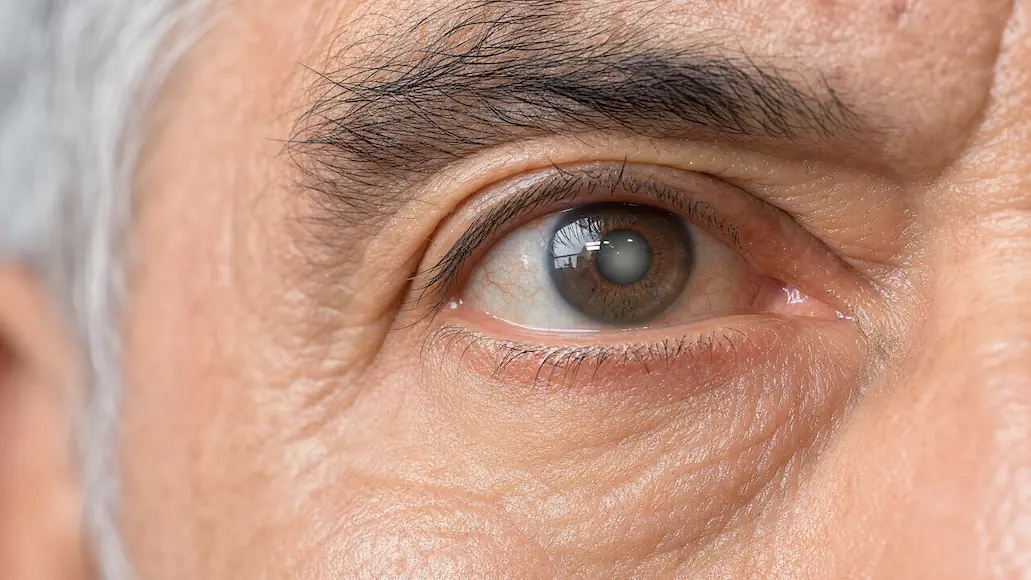
Cataract surgery is a highly effective and commonly performed procedure designed to restore clear vision when the eye’s natural lens becomes cloudy. This clouding, medically known as a cataract, typically develops gradually as a normal part of the natural ageing process. However, it can also result from trauma to the eye, prolonged use of certain medications like corticosteroids, or underlying systemic medical conditions such as diabetes. As the cataract progresses and the lens becomes increasingly opaque, patients often experience a range of disruptive visual symptoms. These may include blurred or misty vision, difficulty seeing clearly in low-light conditions, colours appearing faded or washed out, and an increased sensitivity to glare, which is particularly noticeable when driving at night or looking at bright lights.
Mr Arthur Okonkwo, a highly experienced and dual fellowship-trained Consultant Ophthalmologist based in Leeds, provides comprehensive clinical assessment and advanced surgical management for patients suffering from cataracts. He utilises modern phacoemulsification techniques—a highly sophisticated and precise surgical method that uses targeted ultrasound energy to gently break up and remove the cloudy lens through a microscopic incision. This minimally invasive approach promotes rapid post-operative healing, reduces the risk of complications, and typically requires no sutures, allowing for a much more comfortable recovery period.
Once the clouded cataract is safely removed, Mr Okonkwo carefully implants a clear artificial lens, known as an intraocular lens (IOL), into the eye. He offers detailed, patient-centred guidance on the various advanced lens options available today. This includes standard monofocal lenses, which provide excellent distance vision, as well as advanced premium lenses designed specifically to correct pre-existing astigmatism or significantly reduce a patient’s dependence on reading glasses. Every single treatment plan is meticulously tailored to align with the patient’s specific visual requirements, their daily lifestyle activities, and their unique ocular anatomy, ensuring the best possible visual outcome for their individual needs.
Key Benefits
- Restored clear vision
- Quick recovery time
- Minimal discomfort
- Long-lasting results:
- Premium lens options available
- Expert Consultant care:
Conditions Treated
- Age-Related Cataracts
- Traumatic Cataracts
- Secondary Cataracts
- Refractive Errors
- Astigmatism
- Presbyopia
What to Expect
1
Initial Consultation
The journey begins with a detailed, unhurried discussion of your symptoms, medical history, and specific visual goals. Arthur works closely alongside a specialist Optometrist that helps find out what you want from your vision correction.
2
Diagnostic Assessment
Comprehensive biometry and advanced, high-resolution eye scans are performed in the clinic.
3
Lens Selection
Based on the detailed diagnostic assessment, Mr Okonkwo will discuss the most suitable intraocular lens options available to you.
4
The Procedure
The cataract surgery itself is typically performed as a day case procedure under local anaesthetic.
5
Immediate Aftercare
Following a brief and comfortable rest period in the clinic's recovery area, patients are safely discharged to return home the very same day.
6
Follow-Up Care
Thorough, easy-to-understand post-operative instructions are provided, including a clear schedule for your prescribed eye drops.
Frequently Asked Questions
Is cataract surgery painful?
Cataract surgery is generally not a painful experience. The procedure is typically performed using local anaesthetic eye drops, which completely numb the surface of the eye. While patients may feel a mild sensation of pressure or see bright lights during the surgery, actual discomfort is usually minimal. Any mild grittiness experienced post-operatively can typically be managed easily with prescribed soothing drops.
How long does it take to recover from cataract surgery?
The recovery process is often rapid and straightforward. Many patients notice a significant and immediate improvement in their vision within 24 to 48 hours. However, it is entirely normal for vision to fluctuate slightly as the eye fully heals and adjusts over the following four to six weeks. Mr Okonkwo provides detailed aftercare instructions to support optimal recovery.
Will I still need to wear glasses after cataract surgery?
This depends heavily on the specific type of intraocular lens (IOL) implanted during your surgery. Standard monofocal lenses usually provide excellent distance vision, but reading glasses may still be required for close-up tasks. However, premium multifocal or toric lenses can significantly reduce, and sometimes eliminate, your dependence on glasses.
Can cataracts grow back after surgery?
Cataracts absolutely cannot grow back once the natural cloudy lens has been surgically removed. However, some patients may develop a condition called posterior capsule opacification (PCO) months or even years later, which can cause similar blurry symptoms. This is easily and permanently treated with a quick, painless laser procedure in the clinic.
Are both eyes treated at the same time?
Typically, cataract surgery is performed on one eye at a time, usually starting with the eye that is more severely affected by the cataract. The second eye is usually treated a few weeks later, once the first eye has sufficiently healed and visual stability has been confirmed. This staged approach ensures maximum safety.
Quick Info
Duration
Longer consultation times are provided for a thorough, unhurried assessment. The surgical procedure itself typically takes 20-30 minutes per eye.
Recovery
Patients experience progressive improvement with ongoing clinical management. Most individuals notice significantly improved vision within a few days of surgery.
Specialist Care
All treatment is strictly Consultant-led by a dual fellowship-trained specialist, ensuring expert care at every stage.
Ready to Get Started?
Book a consultation to discuss your symptoms and treatment options.
Ready to Discuss Your Vision?
If cataracts are affecting your daily life, expert assessment and treatment are available. Book a consultation to explore your tailored treatment options and take the first step towards clearer vision.