

Corneal transplantation replaces all or part of a damaged cornea with healthy tissue from a donor. It is usually done when glasses or contact lenses no longer give useful sight, or when the eye is painful. Mr Arthur Okonkwo, Consultant Ophthalmologist, assesses and operates on patients in Leeds, with a research degree in transplantation.
His wider range of corneal operations is on the treatments page. The graft can be full thickness or replace only the diseased layer, which shortens recovery for many people.
Considering a Corneal Transplant?
Book a corneal transplant consultation with Mr Arthur Okonkwo to discuss which type of graft suits your eye.
Prefer to call? 0113 460 1923, Monday to Friday, 9am to 5pm
What Is Corneal Transplantation?
The cornea has 3 main layers: a thin outer skin, a thick middle layer called the stroma, and a single inner layer of pumping cells. Some diseases damage only 1 layer, and replacing just that layer is called a partial-thickness, or lamellar, graft.
The donor cornea comes from someone who has died and chose to donate, and it is checked before use. It is supplied by NHS Blood and Transplant, and your details are shared with it, with consent, so the tissue can be traced. The cornea transplant operation involves stitches and long-term drops.
Urgent Symptoms After a Corneal Transplant
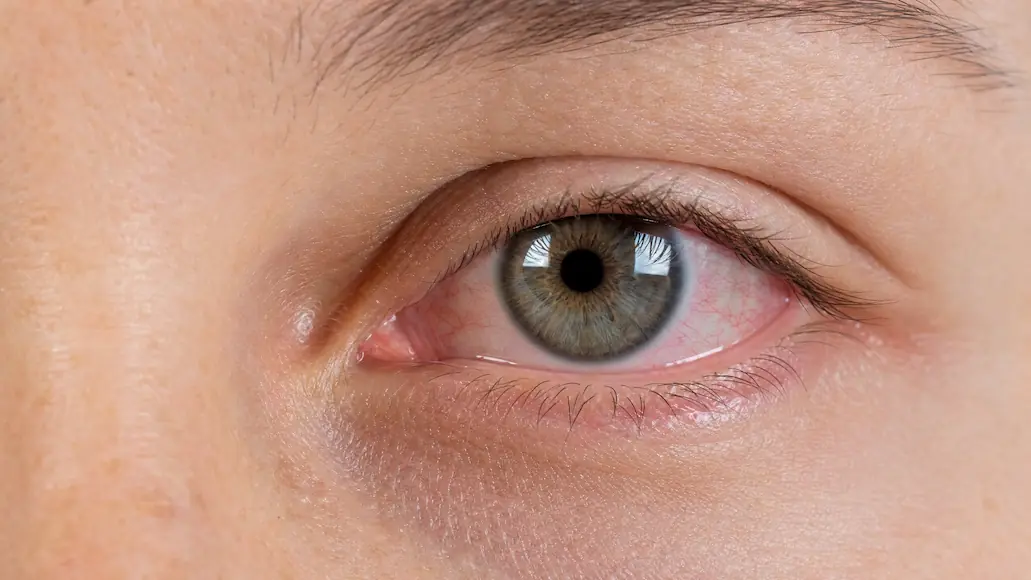
Rejection can happen at any time, even years later, so the warning signs matter for life. Remember the 4 RSVP signs: redness, sensitivity to light, vision drop and pain. Found quickly, rejection can usually be treated with steroid drops.
| Your symptom | Possible cause | What to do |
|---|---|---|
| Redness, light sensitivity, vision drop or pain (RSVP) | Graft rejection | Same-day call to the eye team, or NHS 111 |
| New floaters, flashes or a dark curtain across vision | Retinal detachment | Call the eye team straight away, or NHS 111 |
| Sudden blur in the first days after an inner-layer graft | Graft slipping out of place | Same-day call to the eye team |
| Red eye with sudden sight loss or severe headache | Serious eye problem | Call 999 or go to A&E |
Conditions Mr Okonkwo Treats with Corneal Transplantation
- Fuchs dystrophy: the inner cells fail early, the cornea swells and vision mists, often worst on waking. Symptoms usually begin in the 50s or later.
- Severe keratoconus: a thin, steep or scarred cone that lenses can no longer correct. Earlier stages may suit cross-linking or CAIRS.
- Corneal scarring: after infection or injury, with active infection covered on corneal infections and ulcers.
- Bullous keratopathy: swelling with painful surface blisters, sometimes after cataract surgery.
- A failed earlier graft: a regraft is possible, though the risk of rejection rises with each one.
- Surface damage needing support first: amniotic membrane transplantation can help the surface heal before or after a graft.
Treatment Options: Full-Thickness and Partial-Thickness Grafts
Mr Okonkwo performs all 4 graft types below, chosen by which layer is damaged, which also sets a recovery of 6 to 24 months.
Penetrating Keratoplasty (PK): Full Thickness
A central 8mm disc of your cornea is replaced with donor tissue, held by fine stitches. It suits scarring or disease through every layer, and takes about 1 hour under local or general anaesthetic, usually going home the same day. Rejection affects 1 in 6 within 2 years, and full sight can take up to 24 months.
Deep Anterior Lamellar Keratoplasty (DALK)
The outer and middle layers are replaced, while your own inner layer is kept, for keratoconus and scars that spare the inner cells. Theatre time and stay match PK. Rejection is under 1%, stitches can come out sooner, and occasionally a switch to a full-thickness graft is needed.
Descemet's Stripping Automated Endothelial Keratoplasty (DSAEK)
A thin disc carrying donor inner cells is slid in through a small cut and held in place with an air bubble. It suits Fuchs dystrophy and swelling from failing inner cells, and takes about 1 hour under local anaesthetic, then lying flat for 3 days. Rejection is 6%.
Descemet's Membrane Endothelial Keratoplasty (DMEK)
Only the thinnest inner layer is transplanted, for the same inner-layer diseases as DSAEK with superior visual outcomes. It takes about 1 hour under local anaesthetic, then lying flat for 3 days. Rejection is less than 1%.
Not Sure Which Graft Is Right for You?
Bring previous eye reports, your current glasses or lens prescription, and any Leeds hospital letters to your consultation.
Prefer to call? 0113 460 1923, Monday to Friday, 9am to 5pm
Why Patients Choose Mr Okonkwo for Corneal Grafts
Corneal transplantation is central to his academic work, including an MRes with Distinction.
- NHS and private practice: NHS and private clinics at Leeds Teaching Hospitals NHS Trust, plus St James Laser Vision Clinic.
- Training: a Newcastle University medical degree (MBBS, 2014) and academic posts in Leeds and Manchester.
- Corneal fellowships: Moorfields Eye Hospital, London, and The Royal Victorian Eye and Ear Hospital, Melbourne.
- Qualifications: FRCOphth, the transplantation MRes, the refractive surgery certificate, an Ulster University diploma and a teaching certificate.
- Teaching: an Honorary Senior Lecturer post with the University of Leeds.
- Published work: over 30 journal articles on the cornea and transplantation, plus grants and prizes from abroad.
Graft Rejection: How Often It Happens and How to Spot It
Rejection means your immune system attacks the donor tissue. In the first 2 years it affects 1 in 6 full-thickness grafts, under 1% of DALK, 6% of DSAEK and <1% in DMEK. It is often reversible if anti-rejection drops start promptly, so any RSVP sign means a same-day call, not a wait for your next visit. Anti-rejection drops are used for at least 6 months, and some people need them for life.
How long a graft lasts depends on why it was needed. Typical full-thickness grafts still working well at 5 years: about 95% for keratoconus, 90% for Fuchs dystrophy or a scar, 50% to 80% after bullous keratopathy or infection, and far fewer for a third regraft. Fuchs dystrophy cannot return in the new tissue.
Alternatives to a Corneal Transplant
Surgery is usually offered once glasses or contact lenses are no longer enough, and until then, well-fitted lenses may be all you need.
Most people with keratoconus never need a graft, as cross-linking slows progression and CAIRS reshapes the cornea. Mild Fuchs dystrophy with unaffected vision needs no surgery. Where a cataract sits alongside mild Fuchs dystrophy, it may be removed first, as on the cataract surgery page.
Your Corneal Graft Pathway, Step by Step: Appointment, Donor Tissue and Surgery
- Referral: privately, you can book without one, though a GP or optician letter helps. NHS care begins with a GP or optician referral to Leeds Teaching Hospitals.
- First appointment: 45 to 60 minutes, with corneal shape scans, OCT and a count of the inner pumping cells. Bring a driver, because dilating drops blur sight for hours.
- Choosing the graft: Mr Okonkwo matches PK, DALK, DSAEK or DMEK to the damaged layer. You agree to the operation and to sharing details with NHS Blood and Transplant.
- Operation day: local or general anaesthetic, 1 to 2 hours in theatre, a patch overnight, and usually home the same day.
- Follow-up: a check within a week, about 6 visits in the first year, then every few months for 1 to 2 years.
Recovery and Risks After Corneal Transplantation
Plan around 2 weeks off work, with swelling, redness and discomfort for up to 2 weeks. Keep water out of the eye and avoid swimming and eye make-up for at least a month. Do not rub the eye for the first few weeks.
Sight improves slowly: up to 1-3 months after an inner-layer graft, 18 months after DALK and 2 years after a full-thickness graft. Most people still need glasses or contact lenses, and sight-threatening infection affects about 1 in 1,000. Raised eye pressure, inflammation, astigmatism, cataract and retinal detachment are also possible.
Where Mr Okonkwo Sees Patients Considering a Graft
Private graft consultations take place at St James Laser Vision Clinic in Leeds.
| Location | Address |
|---|---|
| St James Laser Vision Clinic | Floor 4, Gledhow Wing, St James’s University Hospital, Beckett Street, Leeds LS9 7TF |
| Where private graft surgery takes place | St James’s University Hospital, Beckett Street, Leeds LS9 7TF |
| NHS clinics | Leeds Teaching Hospitals NHS Trust, by GP or optician referral |
Call 0113 460 1923, Monday to Friday, 9am to 5pm. Overnight and at weekends, call NHS 111 for urgent needs and 999 for emergencies.
FAQs About Corneal Transplantation
How long before my sight recovers after a graft?
1-3 months for an inner-layer graft, 18 months for DALK and 2 years for a full-thickness graft. Allow around 2 weeks off work.
When can I drive again after a corneal graft?
Not until your sight meets the legal driving standard and your surgeon agrees. About 75% reach it after PK or DALK, usually with glasses.
Is a corneal transplant major surgery?
Yes. It is a 1 to 2 hour operation under local or general anaesthetic, usually without an overnight stay, but aftercare lasts 1 to 2 years.
Can Fuchs dystrophy come back in the new cornea?
No. It cannot return in the transplanted tissue, though a repeat graft may be needed if the graft fails.
What are the alternatives to having a graft?
Glasses or specialist contact lenses, cross-linking or CAIRS for keratoconus, and watching mild Fuchs dystrophy.
How long will I use eye drops after the operation?
Anti-rejection drops for at least 6 months, and for life for some, with antibiotic drops early on.
When do the stitches come out?
After PK or DALK, single stitches may come out from 3 months, with full removal not before 1 year. Inner-layer grafts usually need only one or two.
Why do I need to lie flat after an inner-layer graft?
An air bubble holds the new layer in place, so lie flat for 1 to 2 hours, and on your back as advised for the first day or two.
How can I become a cornea donor?
Join the NHS Organ Donor Register and choose to donate your corneas as well as organs.
Quick Info
What is it?
Replacing all or part of a damaged cornea with donor tissue
Who is it for?
Fuchs dystrophy, corneal scarring, severe keratoconus or a failed graft
How long does it take?
1 to 2 hours
Hospital stay
Most go home the same day; some stay 1 to 2 days
Recovery
Vision settles over 1 month to 2 years, depending on the graft
Ready to Get Started?
Book a consultation to discuss your symptoms and treatment options.
Book a Corneal Transplant Consultation with Mr Arthur Okonkwo
Bring previous eye reports, your current glasses or lens prescription, and any Leeds hospital letters.
- Phone: 0113 460 1923 (weekdays, 9am to 5pm)
- Online: book a graft consultation or send a referral question
A grafted eye that turns red, light-sensitive, blurred or painful should be reported that day to the eye team, GP or NHS 111. Sudden sight loss or sepsis signs mean an immediate 999 call or A&E.