

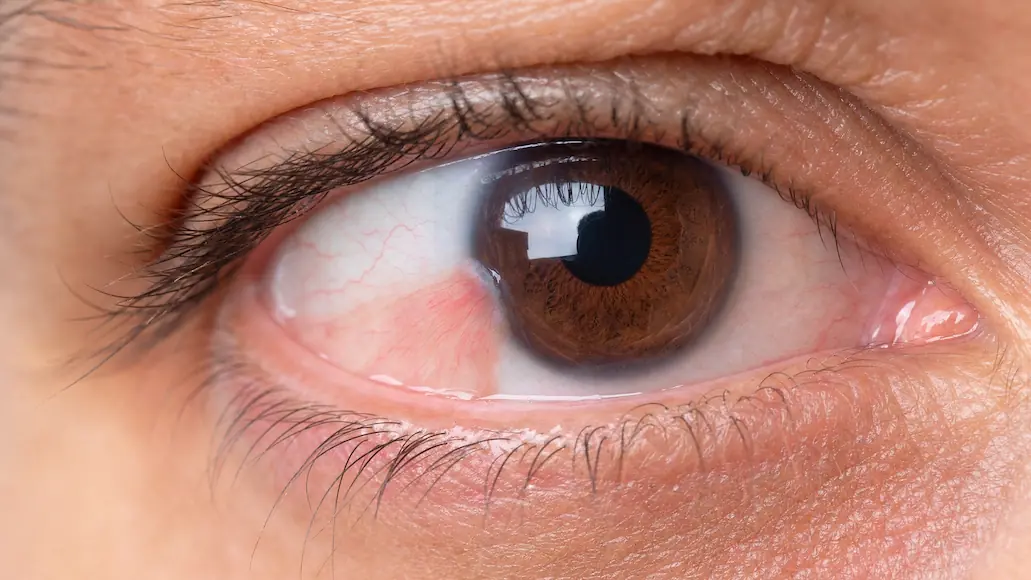
Overview
A pterygium (often referred to as “surfer’s eye”) is a raised, fleshy, wedge-shaped growth of conjunctival tissue that slowly extends over the clear cornea. While these growths are non-cancerous (benign), they can cause chronic irritation, redness, a persistent feeling of having something in the eye, and significant cosmetic concern. If left untreated and allowed to grow toward the centre of the cornea, a pterygium can distort the shape of the eye, causing astigmatism and potentially obstructing vision.
Mr Arthur Okonkwo, a dual fellowship-trained Consultant Ophthalmologist based in Leeds, offers comprehensive assessment and advanced surgical removal of pterygia. The standard historical approach of simply cutting away the growth is associated with an unacceptably high recurrence rate. Therefore, Mr Okonkwo routinely performs Pterygium Excision with a Conjunctival Autograft—the current gold standard in pterygium management.
During this meticulous microsurgical procedure, the pterygium is carefully and completely excised from the surface of the eye. To cover the bare area left behind and drastically reduce the risk of the growth returning, a small, healthy piece of surface tissue (conjunctiva) is slid from another part of the patient’s own eye, usually hidden beneath the upper eyelid. This autograft is then precisely secured over the excision site. Mr Okonkwo often utilises advanced, sutureless tissue adhesives (fibrin glue) to secure the graft, which significantly improves post-operative comfort and promotes faster healing compared to traditional stitches.
Key Benefits
- Prevents vision loss
- Extremely low recurrence rate
- Improved cosmetic appearance
- Relief from chronic irritation
- Sutureless technique available
- Expert Consultant care
Conditions Treated
- Primary Pterygium
- Recurrent Pterygium
- Pinguecula (when symptomatic)
- Chronic Conjunctival Inflammation
What to Expect
1
Initial Consultation
A detailed discussion of your symptoms, the history of the growth, and your cosmetic or visual concerns.
2
Diagnostic Assessment
A thorough slit-lamp examination is performed.
3
Treatment Planning
Based on the size and progression of the growth, Mr Okonkwo will formulate a precise surgical plan, discussing the use of a conjunctival autograft and sutureless tissue adhesives.
4
The Procedure
The surgery is performed as a day case procedure under local anaesthetic.
5
Immediate Aftercare
Following the procedure, an eye pad or protective shield is placed over the eye.
6
Follow-Up Care
Thorough post-operative instructions are provided, including a strict schedule for prescribed steroid and antibiotic eye drops to control inflammation and prevent infection.
Frequently Asked Questions
What causes a pterygium to grow?
While the exact cause is not definitively known, pterygia are strongly associated with chronic, long-term exposure to ultraviolet (UV) light from the sun. They are also linked to chronic eye irritation caused by dry, dusty, or windy environments. This is why the condition is frequently seen in people who spend a lot of time outdoors, hence the common nickname “surfer’s eye.”
Is pterygium surgery painful?
The surgery itself is not painful because strong local anaesthetic is used to completely numb the eye. However, the post-operative recovery period can be uncomfortable. It is very common for the eye to feel scratchy, gritty, or as though there is a foreign body in it for the first week or two while the surface heals. Mr Okonkwo’s use of sutureless tissue adhesives (glue) instead of stitches significantly reduces this post-operative discomfort.
Will the pterygium grow back after it is removed?
If a pterygium is simply cut away (bare sclera excision), the recurrence rate can be very high, sometimes up to 50%. However, by performing the advanced conjunctival autograft technique—where healthy tissue is grafted over the excision site—Mr Okonkwo reduces the risk of recurrence to a very low percentage, typically less than 5%.
How long will my eye be red after surgery?
It is completely normal for the eye to look quite red and bloodshot immediately following the surgery. This redness will gradually fade over time. While the eye usually feels much more comfortable within the first two weeks, it can take several weeks, and sometimes up to a few months, for the redness to completely resolve and for the eye to look cosmetically normal again.
Do I need to have my pterygium removed?
Not all pterygia require surgery. If the growth is small, not causing significant discomfort, and not threatening your vision, it can often be managed conservatively with lubricating eye drops and strict UV protection (sunglasses). Surgery is typically recommended if the pterygium is causing chronic, unmanageable irritation, if it is growing towards the centre of the cornea and threatening your vision, or if it is causing significant cosmetic distress.
Quick Info
Duration
The surgical procedure itself requires meticulous microsurgical precision and typically takes between 30 to 45 minutes.
Recovery
The eye will be red and may feel quite gritty for the first 1 to 2 weeks. Full cosmetic recovery, where the redness completely fades, typically takes several weeks to a few months.
Specialist Care
All treatment is strictly Consultant-led by a dual fellowship-trained specialist, ensuring expert care and advanced grafting techniques.
Ready to Get Started?
Book a consultation to discuss your symptoms and treatment options.
Ready to Discuss Your Vision?
If a pterygium is causing discomfort, affecting your vision, or causing cosmetic concern, expert assessment and advanced surgical removal are available. Book a consultation to explore your tailored treatment options.