

Overview
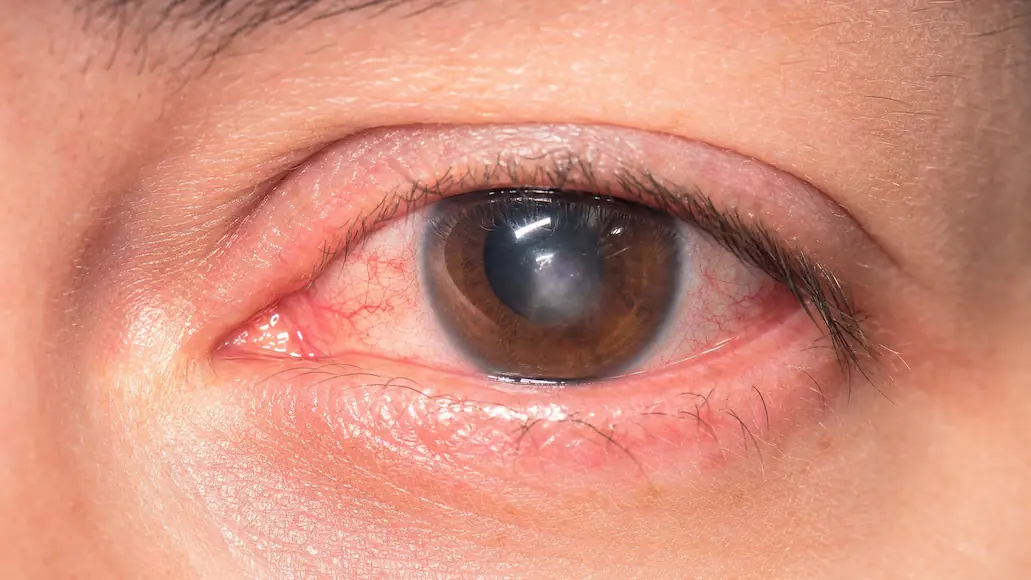
A corneal infection (microbial keratitis) or a corneal ulcer is a serious, potentially sight-threatening medical emergency. The cornea is the clear, dome-shaped window at the front of the eye. When bacteria, viruses, fungi, or parasites breach the protective surface layer of the cornea—often due to minor trauma, poor contact lens hygiene, or severe dry eye—they can rapidly multiply, causing a painful, inflamed, and highly destructive open sore or ulcer.
Mr Arthur Okonkwo, a dual fellowship-trained Consultant Ophthalmologist based in Leeds, provides urgent, expert care for all types of severe corneal infections. Because microbial keratitis can cause permanent scarring or even penetrate entirely through the cornea within a matter of days, immediate specialist intervention is absolutely critical.
The cornerstone of successful treatment is accurately identifying the specific organism causing the infection. Mr Okonkwo performs meticulous clinical examinations and obtains precise corneal scrapes (cultures) to isolate the exact pathogen. Based on these laboratory results, a highly targeted regimen of intensive, fortified antimicrobial eye drops is prescribed. In severe cases where the infection has caused extensive tissue damage or melting, advanced surgical interventions, such as Amniotic Membrane Transplantation or an emergency therapeutic Corneal Transplant, may be necessary to save the eye and preserve vision.
Key Benefits
- Rapid pathogen identification
- Prevents permanent vision loss
- Specialist management of complex cases
- Access to fortified medications
- Advanced surgical options
- Expert Consultant care
Conditions Treated
- Bacterial Keratitis
- Viral Keratitis (e.g., Herpes Simplex)
- Fungal Corneal Ulcers
- Acanthamoeba Keratitis
- Contact Lens-Related Infections
- Marginal Keratitis
What to Expect
1
Urgent Initial Consultation
Due to the serious nature of corneal ulcers, appointments are prioritised.
2
Diagnostic Corneal Scrape
Using local anaesthetic drops to numb the eye, Mr Okonkwo will gently scrape the surface of the ulcer to collect a microscopic tissue sample.
3
Intensive Medical Treatment
Before the laboratory results return, you will be started immediately on a rigorous regimen of broad-spectrum, antimicrobial eye drops and/or tablets.
4
Targeted Therapy Adjustment
Once the specific organism is identified by the laboratory (usually within 48 to 72 hours), Mr Okonkwo will precisely tailor your medication, switching to targeted antibiotics, antivirals, or antifungals to eradicate the infection most effectively.
5
Close Clinical Monitoring
You will require very frequent follow-up appointments—sometimes daily—so Mr Okonkwo can closely monitor the size of the ulcer and ensure the infection is responding to the medication.
6
Long-Term Rehabilitation
Once the active infection is eradicated, the focus shifts to healing the corneal surface and minimising scar tissue.
Frequently Asked Questions
What are the main symptoms of a corneal ulcer?
The symptoms of a corneal ulcer are typically severe and develop very rapidly. They include intense eye pain, significant redness, a constant feeling that something is in the eye, extreme sensitivity to light (photophobia), excessive tearing or thick discharge, and noticeably blurred or reduced vision. You may also be able to see a small white or grey spot on the normally clear part of your eye.
Why are contact lens wearers at a higher risk?
Contact lenses, especially if worn overnight, not cleaned properly, or exposed to tap water or swimming pools, can create microscopic scratches on the cornea. These scratches provide an entry point for bacteria or parasites (such as Acanthamoeba) that may be trapped under the lens. The lens itself also reduces the amount of oxygen reaching the cornea, making it more vulnerable to severe infections.
Can a corneal infection cause permanent blindness?
Yes. If a severe microbial keratitis is not treated urgently and aggressively, the infecting organism can rapidly destroy the corneal tissue. This can lead to dense, permanent white scarring over the centre of the vision, or in the most severe cases, the ulcer can perforate (melt entirely through) the cornea, potentially leading to the loss of the entire eye.
How often will I need to put the eye drops in?
During the acute phase of a severe corneal ulcer, the treatment regimen is exceptionally demanding. You may be required to instill antibiotic drops into the affected eye every 30 to 60 minutes around the clock, which means you will have to wake up frequently during the night. As the infection begins to clear, Mr Okonkwo will gradually reduce the frequency of the drops.
Will I need surgery for a corneal ulcer?
Most corneal infections can be successfully cured with intensive medical therapy (eye drops) alone if caught early. However, surgery becomes necessary if the infection is not responding to medication, if the cornea begins to thin dangerously or perforate, or if the infection leaves behind a dense, central scar that permanently blocks your vision. In these cases, Mr Okonkwo may perform an emergency therapeutic corneal transplant or an amniotic membrane graft.
Quick Info
Duration
The initial urgent assessment and any tests take approximately 30 to 45 minutes.
Recovery
Treatment is intensive and prolonged. The acute infection may take several weeks to eradicate, and complete visual rehabilitation can take many months as the corneal scar tissue settles.
Specialist Care
All treatment is strictly Consultant-led by a dual fellowship-trained corneal specialist, ensuring expert management of sight-threatening emergencies.
Ready to Get Started?
Book a consultation to discuss your symptoms and treatment options.
Ready to Discuss Your Vision?
A painful, red eye with blurred vision, especially if you wear contact lenses, is a medical emergency. If you suspect you have a corneal infection or ulcer, urgent specialist assessment is vital. Book an immediate consultation to protect your sight.