

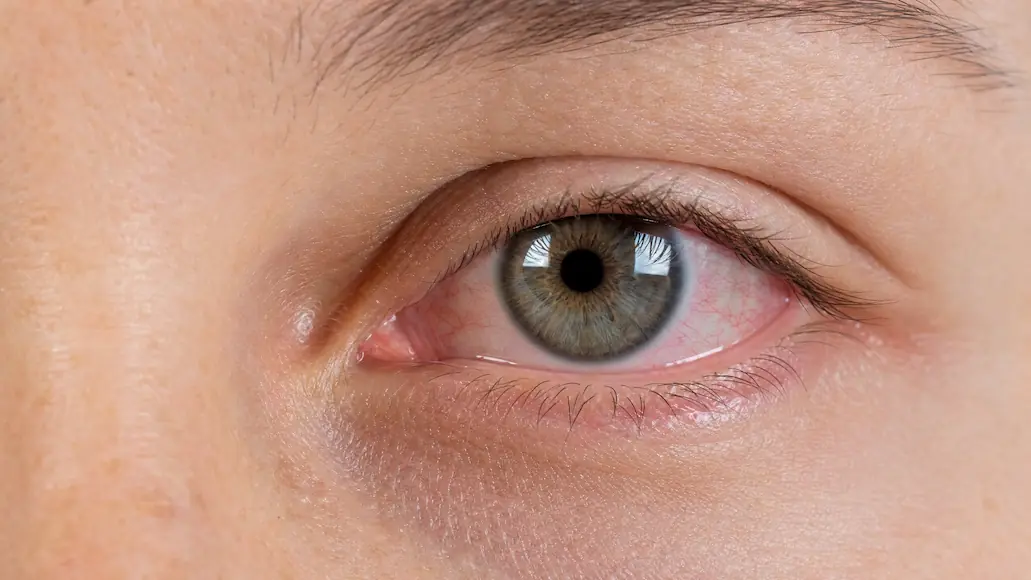
Laser vision correction reshapes the cornea, the clear dome in front of the coloured iris, so you depend less on glasses or contact lenses. Mr Arthur Okonkwo, Consultant Ophthalmologist, offers LASIK, PRK and lenticule extraction at St James Laser Vision Clinic in Leeds.
It treats short sight, long sight and astigmatism within set limits. Mr Okonkwo measures the thickness and shape of your cornea first, then carries out the laser himself.
Book a Laser Vision Correction Consultation
Book a consultation with Mr Okonkwo in Leeds to find out which laser option could suit your eyes.
Prefer to call? 0113 460 1923, Monday to Friday, 9am to 5pm
What Is Laser Vision Correction?
The cornea provides about two thirds of the eye’s focusing power, the RCOphth glossary explains. A laser changes its curve, which moves the point of focus back onto the retina. Three families of treatment are used in the UK: LASIK, surface treatments such as PRK, and lenticule extraction.
Conditions Mr Okonkwo Treats with Laser Vision Correction
- Short sight (myopia): distance blur.
- Long sight (hypermetropia)
- Astigmatism
- Loss of reading vision (presbyopia)
Laser Vision Correction Treatment Options: LASIK, PRK and Lenticule Extraction
All three use numbing drops and a spring clip that lets you blink safely. The RCOphth says visual results at three months are equally good. What differs is the speed of recovery.
LASIK
A femtosecond laser makes a thin flap, an excimer laser reshapes the tissue beneath, and the flap settles back without stitches. It suits people who want the fastest return to work, often the next day (RCOphth). Treatment takes about half an hour for both eyes, with no overnight stay. Contact sports wait a month, and NICE lists flap problems among the risks.
Surface Laser (PRK)
The thin skin layer on the cornea is removed, then the excimer laser reshapes the tissue underneath. With no flap, it is often chosen for thinner corneas or contact sports. The skin regrows over about a week, and the RCOphth warns the eye is usually very sore meanwhile. Reaching driving standard can take a week or longer.
Lenticule Extraction
A femtosecond laser outlines a thin, lens-shaped piece of tissue, which is lifted out through a small opening (RCOphth). There is no flap, though slightly more tissue is removed from a little deeper. Sight returns a touch more slowly than with LASIK, but contact sports can restart sooner.
Why Patients Choose Mr Okonkwo for Laser Vision Correction
- Laser certification: CertLRS, the Certificate in Laser and Refractive Surgery awarded by the RCOphth itself.
- Refractive diploma: a PgDip in Cataract and Refractive Surgery, awarded with Distinction by Ulster University.
- Fellowships: after academic training in Leeds and Manchester, he completed fellowships in London (Moorfields Eye Hospital) and Melbourne (The Royal Victorian Eye and Ear Hospital).
- NHS work: he runs consultant clinics, both NHS and private, within Leeds Teaching Hospitals NHS Trust.
- Teaching and research: Honorary Senior Lecturer at the University of Leeds, and author of more than 30 peer-reviewed papers.
- Planning support: a specialist optometrist works with him to pin down what you want from your vision.
Considering Laser Vision Correction?
Book an assessment to find out whether your cornea and prescription suit laser, and which technique fits. Bring older glasses prescriptions.
Prefer to call? 0113 460 1923, Monday to Friday, 9am to 5pm
Dry Eyes, Night Glare and How Long the Result Lasts
Most people notice glare, haloes or starbursts at first, especially after treatment for a higher prescription. These effects usually ease within a few months, although lasting problems can still occur.
Gritty eyes and fluctuating vision come from a less stable tear film. Comfort usually returns within a few months, and lubricating drops help in the meantime (RCOphth). An existing dry eye is treated before laser, through dry eye procedures. His blog on air conditioning and dry eyes covers everyday triggers.
The reshaping itself stays, but eyes keep ageing therefore reading glasses are still likely after the mid-40s.
Tell anyone checking you for glaucoma that you have had laser, because pressure readings can under-read afterwards (RCOphth). Your surgeon also adjusts lens calculations if you need cataract surgery later.
Alternatives to Laser Vision Correction: Lens Surgery, Contact Lenses or Glasses
The RCOphth describes the procedure as elective, so staying in glasses or contact lenses is a sound choice. Glasses carry no medical risk. Contact lenses give good all-round vision, but the RCOphth estimates a serious corneal infection each year in roughly 1 of every 3,000 wearers. The NHS laser and lens surgery page sets out the surgical routes.
- ICL: a lens placed inside the eye, in front of your own, often used when the prescription is outside the laser range (RCOphth). See ICL surgery.
- Refractive lens exchange: your natural lens is replaced, and the RCOphth says it is often preferred around retirement age, when early cataract is common. See lens exchange.
- Waiting: short sight and astigmatism usually settle in the late teens or early 20s (RCOphth). A prescription that is still changing is a reason to wait.
Your Laser Vision Correction Pathway, Step by Step: Scans, Planning and Laser Appointment
- Referral: you can book privately without a GP or optician letter, although one is useful. Bring your recent glasses prescriptions.
- First consultation: an unhurried visit covering your eye history, an examination and imaging. Pupil-widening drops need 20 to 30 minutes and leave your sight hazy for several hours, so arrange a lift.
- Tests: scans measure corneal thickness, tomography and topography, plus a wavefront map of how your eye focuses.
- Review: Mr Okonkwo and the optometrist match the technique to your cornea, prescription and daily life.
- Your decision: as NICE HTG107 asks, you weigh the benefits and risks against staying in glasses or lenses.
- Laser day: eat and drink normally, have numbing drops, then about half an hour of treatment for both eyes (RCOphth). After a short rest you go home, with someone else driving.
- Aftercare: antibiotic, anti-inflammatory and lubricating drops on a set schedule, and every review kept even if your eyes feel fine.
Recovery and Risks After Laser Eye Surgery
The RCOphth says up to 1 in 10 patients need some further treatment to fine-tune the result. Fewer than 1 in 5,000 need a corneal transplant after laser. The NHS notes that most side effects improve within a few months.
Where Mr Okonkwo Carries Out Laser Treatment in Leeds
His About page states that laser treatments take place at St James’s Laser Vision, inside St James’s University Hospital.
| Location | Address |
|---|---|
| St James Laser Vision Clinic | Floor 4, Gledhow Wing, St James’s University Hospital, Beckett Street, Leeds LS9 7TF |
The practice line, 0113 460 1923, is staffed Monday to Friday, 9am to 5pm. Patients come from the East Midlands, the North East and all over Yorkshire.
FAQs About Laser Vision Correction
Is laser eye surgery classed as major surgery?
No general anaesthetic is needed, and you go home the same day.
How long is recovery after LASIK, PRK or lenticule extraction?
After LASIK many people work the next day. Lenticule extraction is slightly slower. After PRK the eye is sore for about a week, and the RCOphth says vision completes its recovery over three months.
When can I drive after laser eye surgery?
Not on the day of treatment, the NHS says. The DVLA standard means reading a number plate at 20 metres. After PRK this can take a week or longer (RCOphth).
Can short sight come back after laser treatment?
It can change again, because natural prescription shifts happen at any age (RCOphth). Further laser is sometimes needed.
What alternatives are there if my cornea is too thin?
An ICL, which sits inside the eye, corrects a wider range of prescriptions without removing corneal tissue (RCOphth). Over about 50, lens exchange is often the better route. Both are compared on the ICL page.
Will I feel anything during the laser?
Numbing drops are used, and his page says you may feel brief pressure. After PRK the eye is usually very sore for a few days while the surface heals, says the RCOphth.
Will I still need reading glasses afterwards?
Probably, from your mid-40s onwards.
Are both eyes treated on the same day?
Usually, yes.
Does laser affect future cataract or glaucoma care?
Pressure checks can read low after laser, so tell your optometrist. Cataract lens calculations are adjusted too, and the RCOphth says any effect is small.
Quick Info
What is it?
A laser reshapes the cornea so light focuses on the retina (RCOphth)
Who is it for?
Over 21s with a stable prescription
How long does it take?
About half an hour for both eyes (RCOphth)
Hospital stay
None. You go home the same day (NHS)
Recovery
LASIK: often back at work the next day. PRK: a week or longer to reach driving standard (RCOphth)
Ready to Get Started?
Book a consultation to discuss your symptoms and treatment options.
Book a Laser Vision Correction Consultation with Mr Arthur Okonkwo
Book an assessment to find out whether your cornea and prescription suit laser, and which technique fits. Bring older glasses prescriptions, since the RCOphth asks for no change above 0.5 dioptres in 2 years.
- Phone: 0113 460 1923, Monday to Friday, 9am to 5pm
- Online: use the online booking form or send a message through the contact page
If pain, redness or blur gets worse after treatment, call the clinic, your GP or optician, or NHS 111 the same day. If sight suddenly fails, or sepsis signs appear such as confusion, fast breathing or mottled skin, dial 999 or go straight to A&E.